 1469
1469The Birth of Guru Nanak
Guru Nanak Dev Ji is born at Rai Bhoi Ki Talwandi, beginning a spiritual journey that would transform religious and social thought in Punjab.
A Journey Through Time
1469Guru Nanak Dev Ji is born at Rai Bhoi Ki Talwandi, beginning a spiritual journey that would transform religious and social thought in Punjab.
 1500s
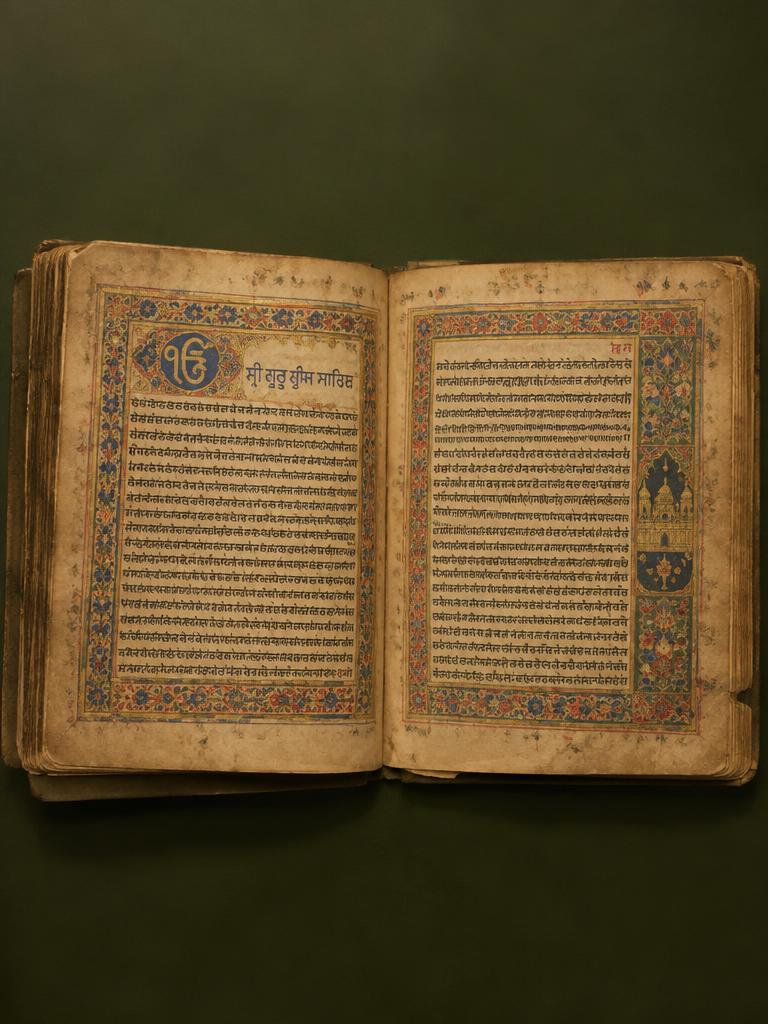
1500sGuru Nanak establishes a community centred on one God, honest living, equality, remembrance of the Divine, and service to humanity.
 1539
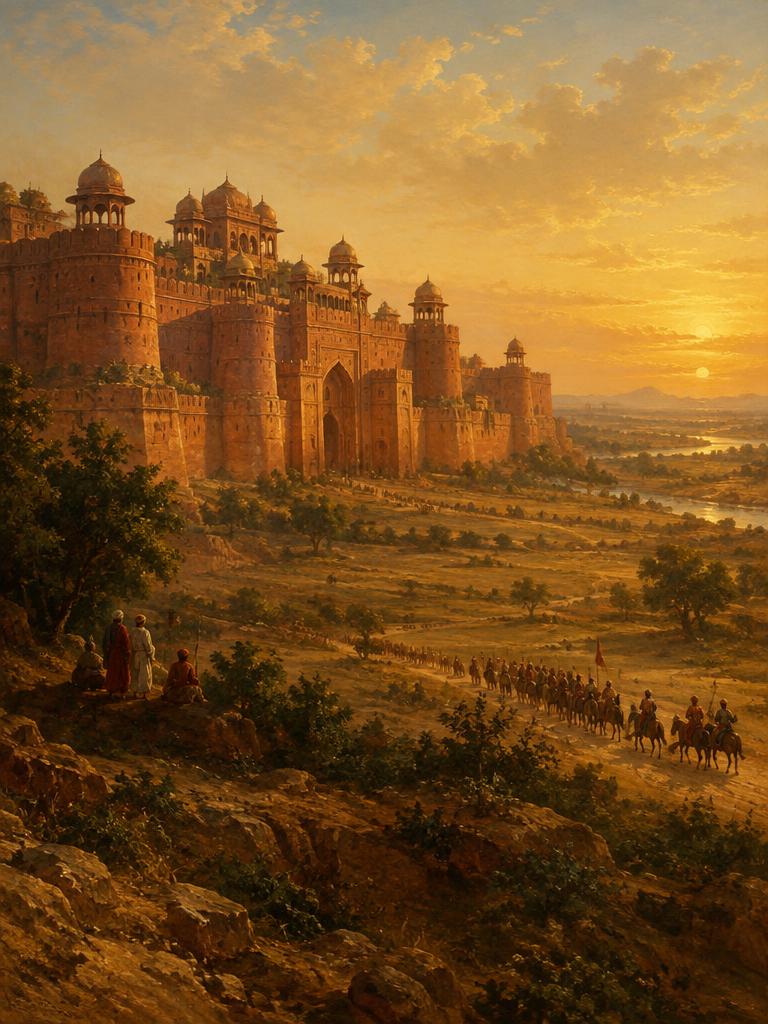
1539Guru Angad Dev Ji strengthens the Sikh community and develops Gurmukhi as a script for recording and sharing the teachings.
 1552
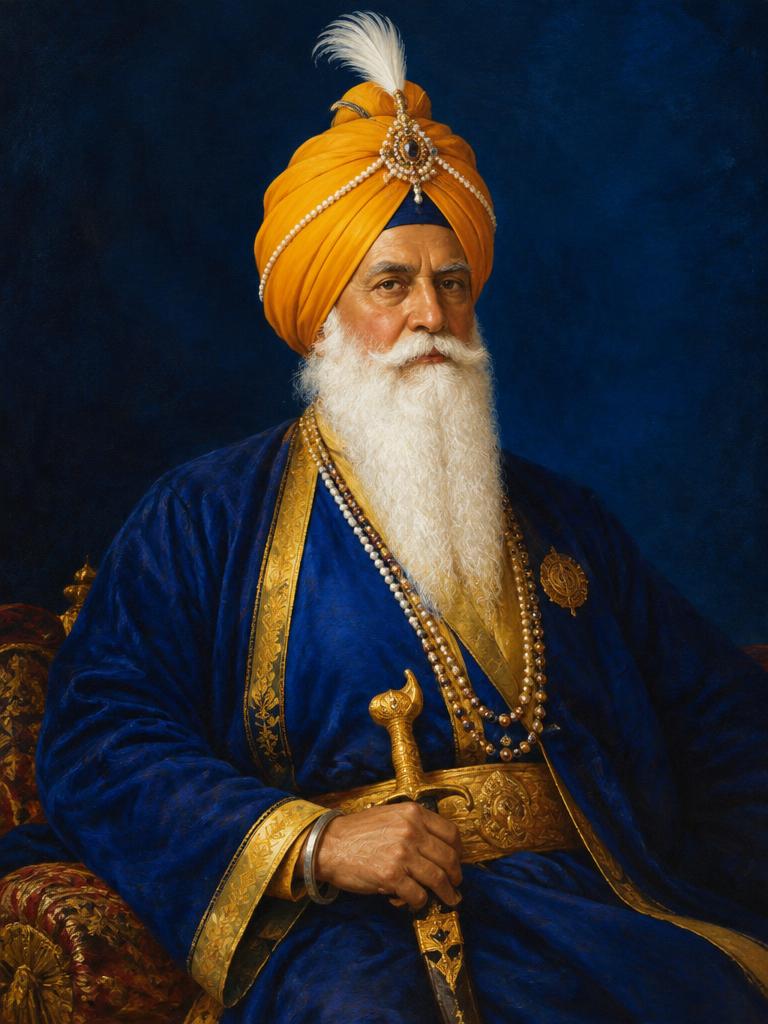
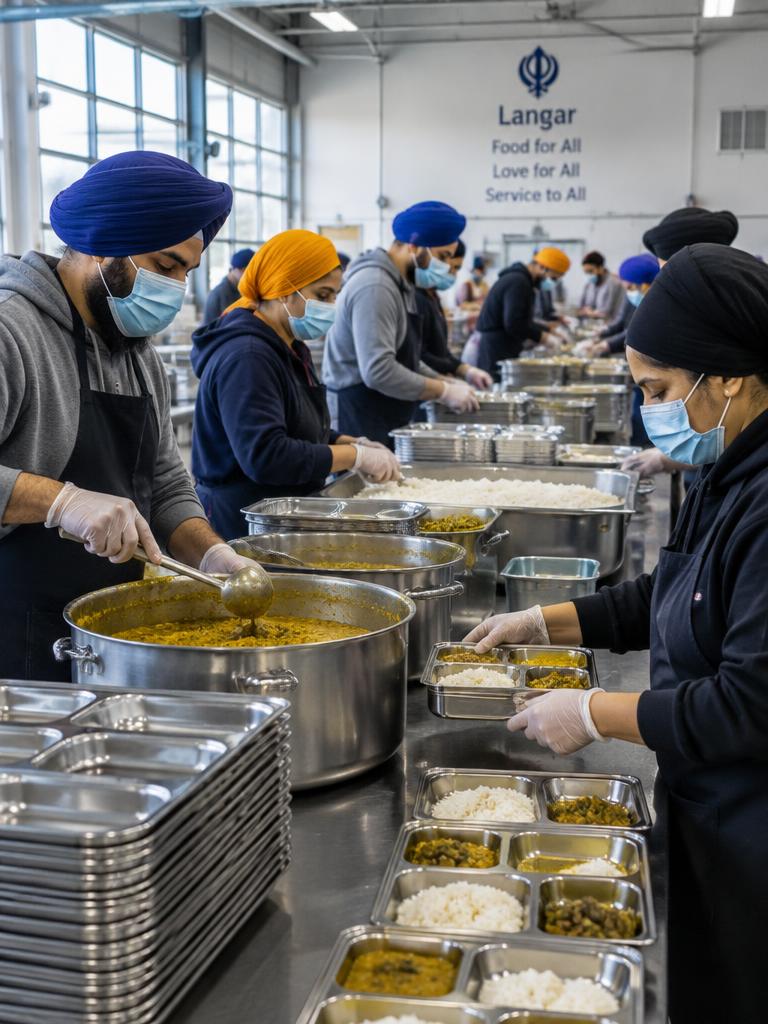
1552Guru Amar Das Ji expands the Sikh community, strengthens the langar tradition, and establishes important administrative and social institutions.
 1574
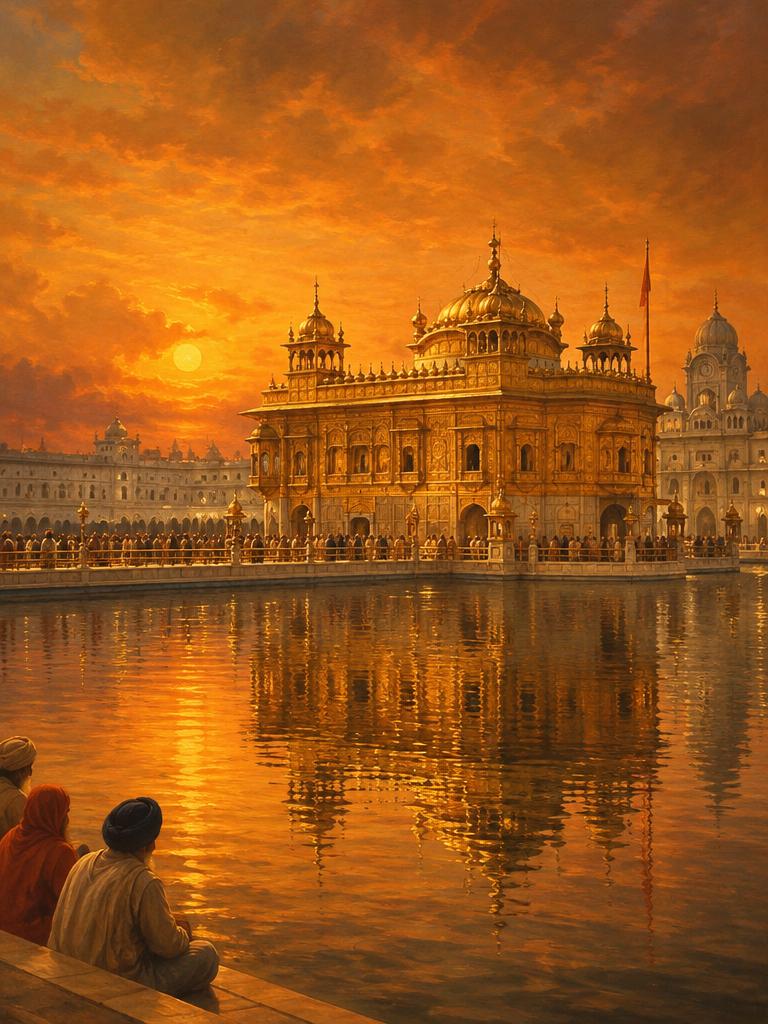
1574Guru Ram Das Ji establishes Ramdaspur, which grows into Amritsar, one of the most important spiritual centres of Sikhism.
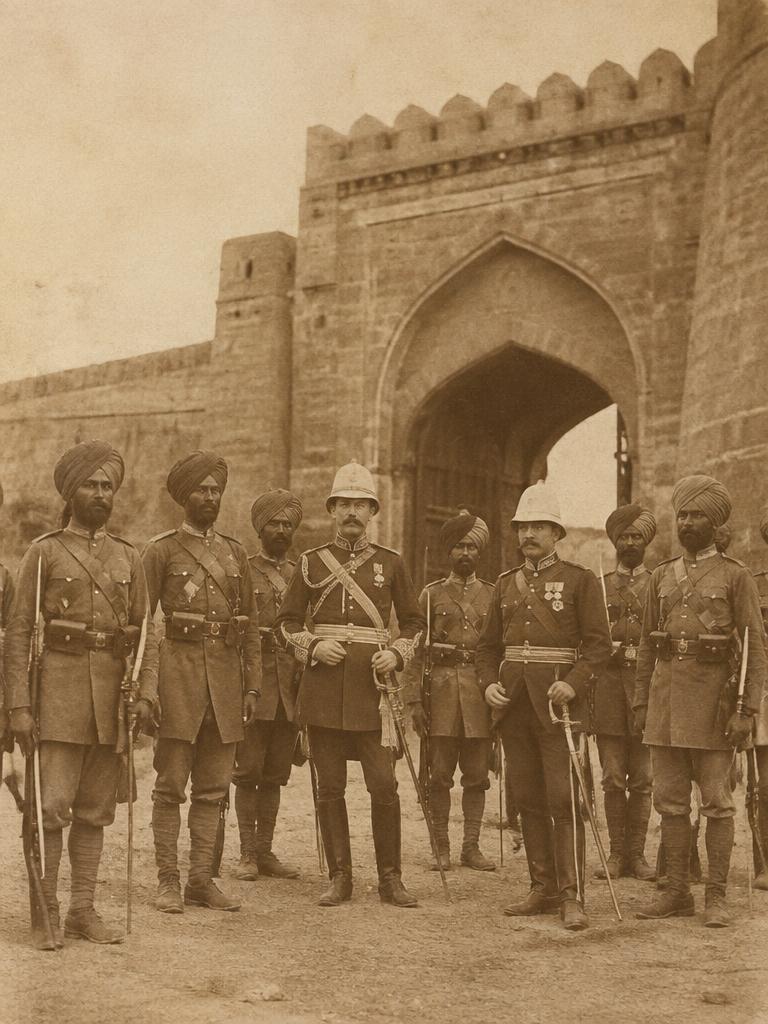 1581
1581Guru Arjan Dev Ji leads the Sikh community during a period of significant growth and oversees the development of Amritsar.
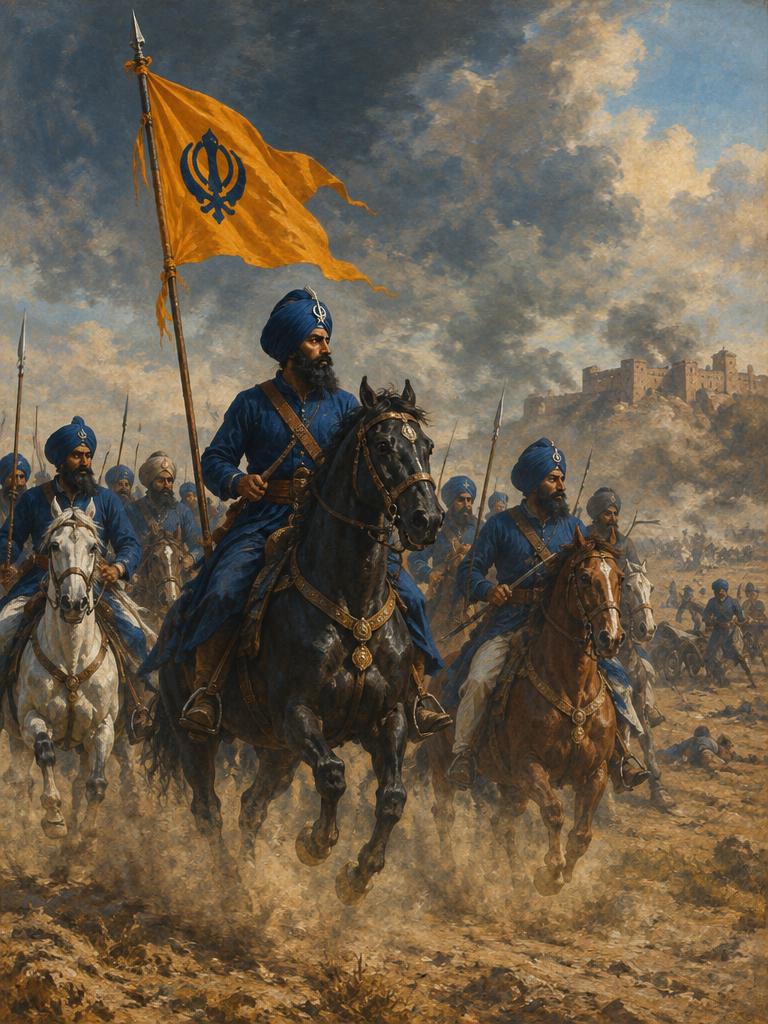 1604
1604Guru Arjan Dev Ji compiles the Adi Granth, bringing together the sacred compositions of the Sikh Gurus and other spiritual traditions.
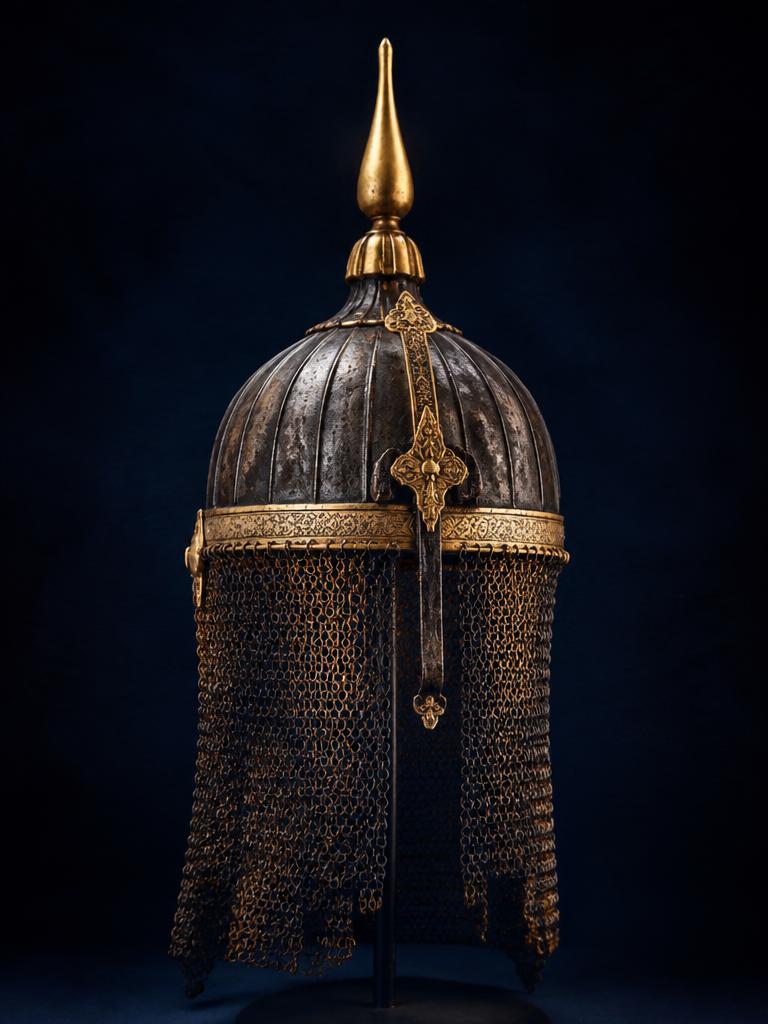 1606
1606Guru Arjan Dev Ji becomes the first Sikh Guru to be martyred, profoundly shaping the Sikh understanding of faith, courage and sacrifice.
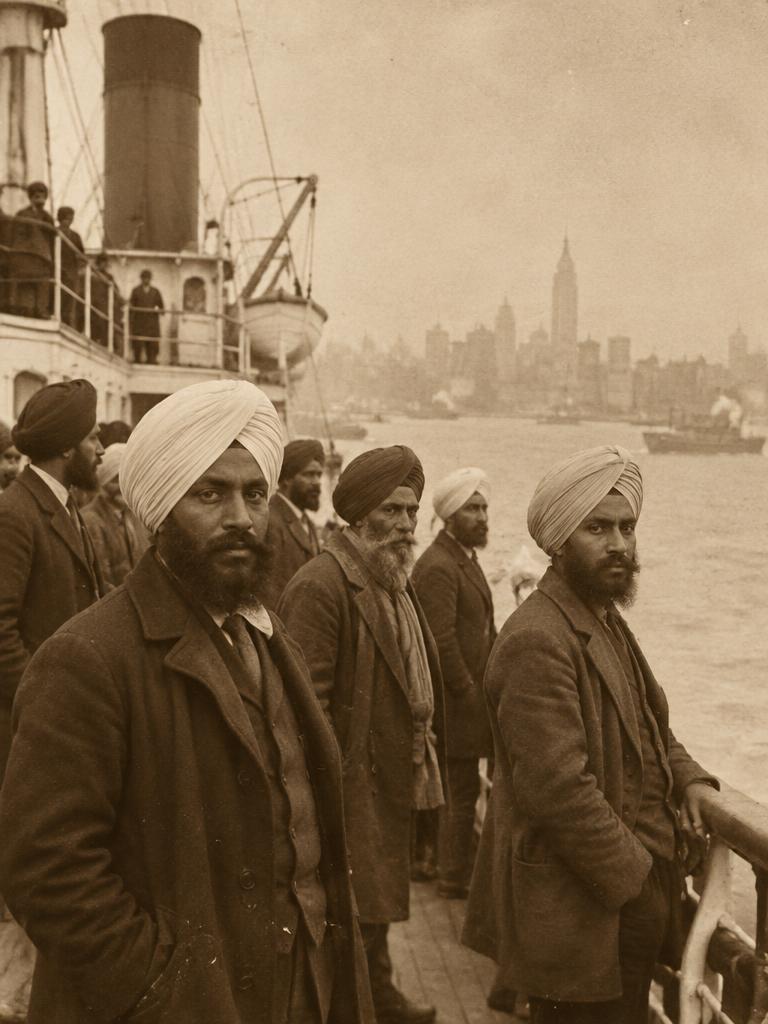 1606
1606Guru Hargobind Sahib Ji establishes the Akal Takht and articulates the principle of Miri-Piri, connecting spiritual authority with temporal responsibility.
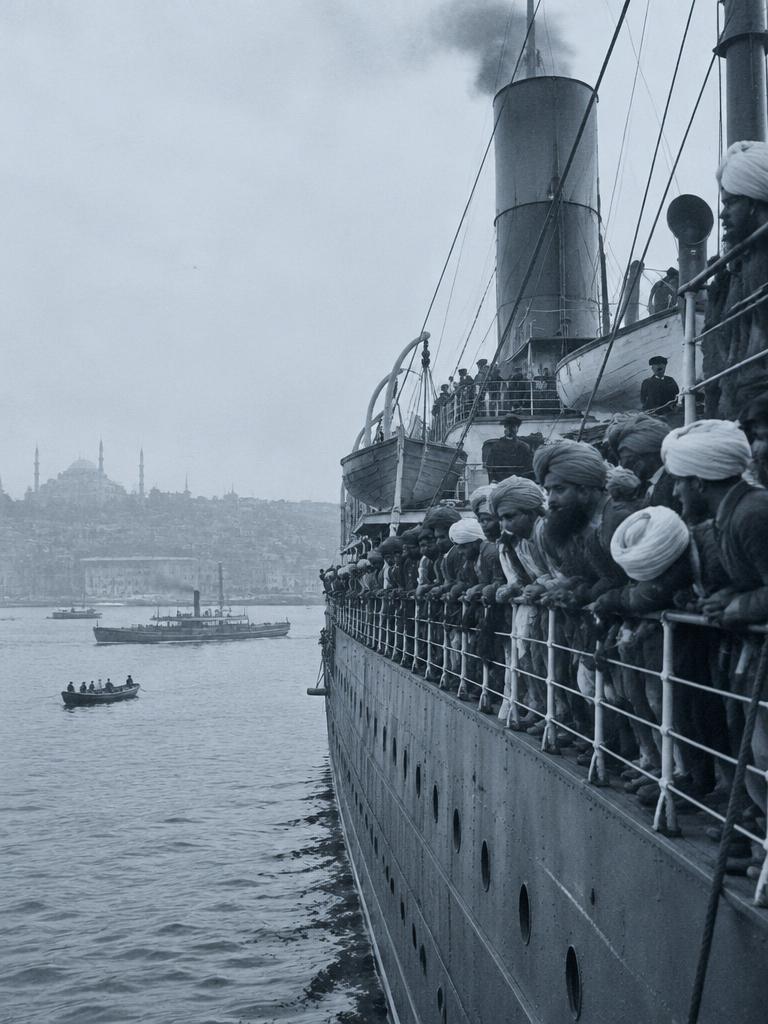 1644
1644Guru Har Rai Ji continues the Sikh tradition while emphasizing compassion, service, spiritual discipline and protection of the vulnerable.
 1661
1661Guru Har Krishan Ji serves communities affected by illness in Delhi, becoming remembered for compassion, humility and selfless service.
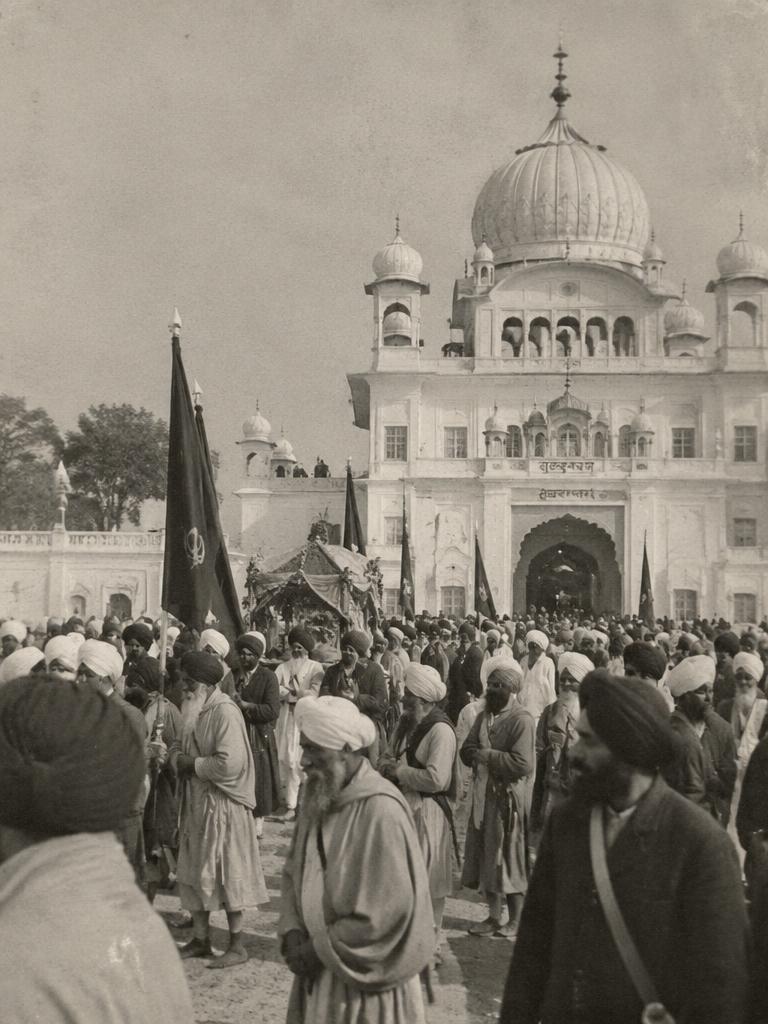 1675
1675Guru Tegh Bahadur Ji sacrifices his life defending freedom of conscience and religious belief, becoming a powerful symbol of resistance to oppression.
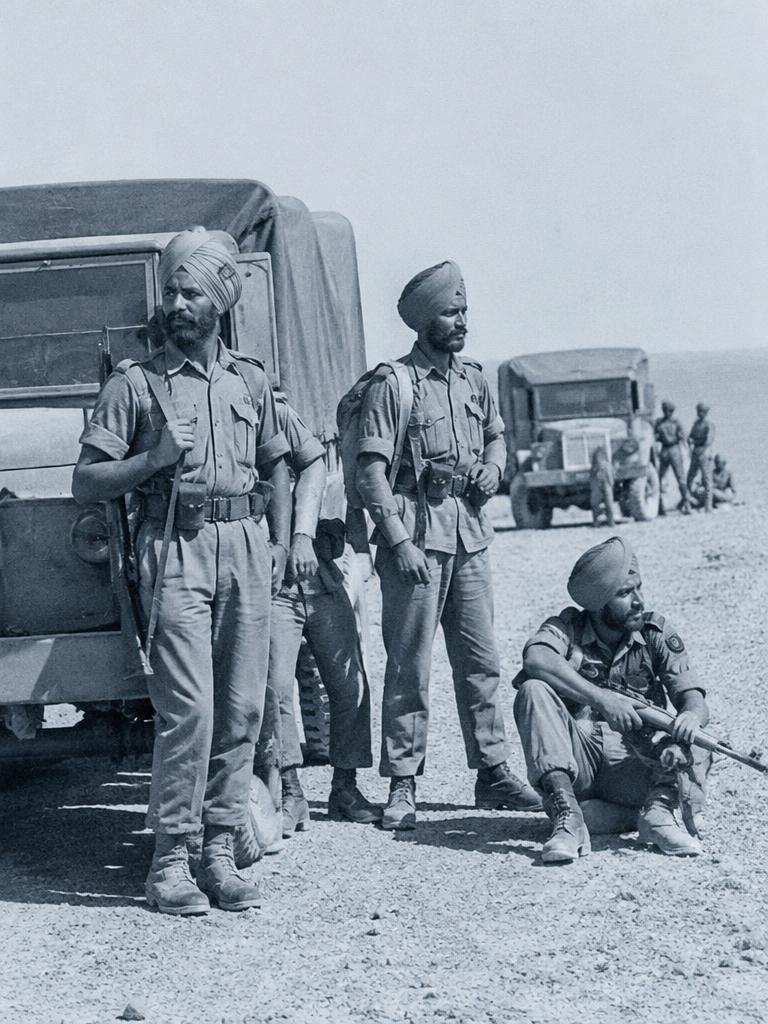 1699
1699Guru Gobind Singh Ji establishes the Khalsa at Anandpur Sahib, creating a disciplined community committed to courage, equality and spiritual sovereignty.
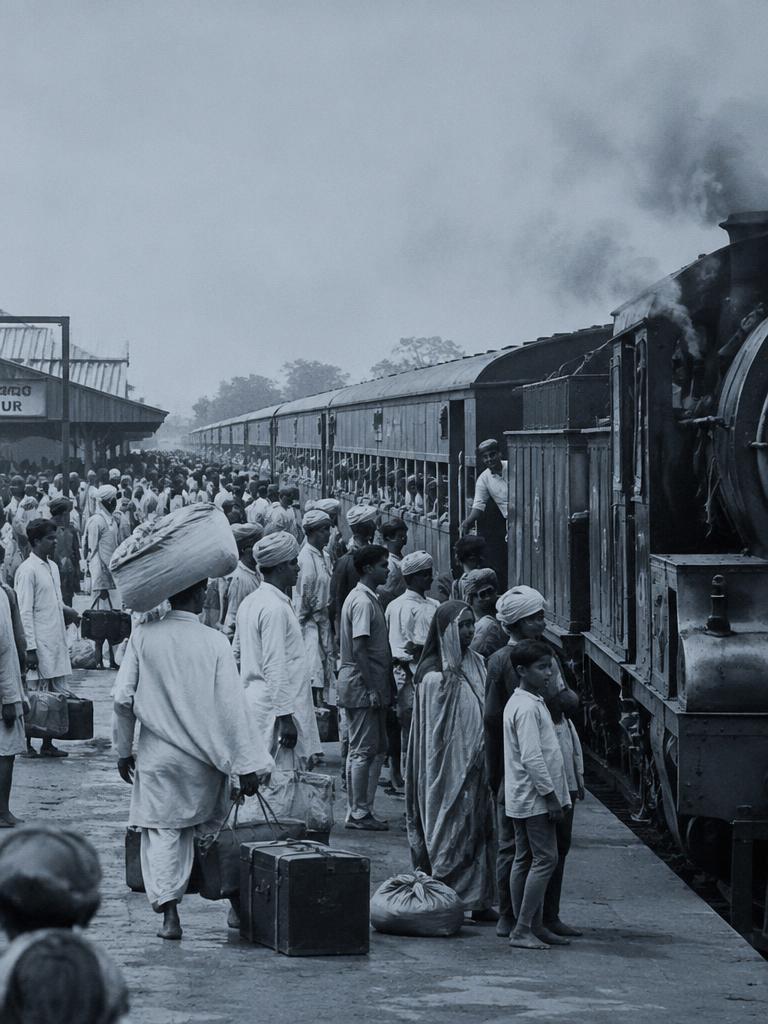 1705
1705The younger Sahibzade are executed at Sirhind while the elder Sahibzade die in battle, becoming enduring symbols of courage and sacrifice.
 1708
1708Guru Gobind Singh Ji declares the Guru Granth Sahib the eternal Guru, establishing the scripture as the continuing spiritual authority of the Sikhs.
 1708
1708Banda Singh Bahadur begins a campaign in Punjab inspired by Guru Gobind Singh Ji, challenging Mughal authority and establishing Sikh-controlled territories.
 1710
1710Banda Singh Bahadur captures important territories, introduces administrative changes and establishes an early form of Sikh political authority.
 1716
1716Banda Singh Bahadur and his companions are executed in Delhi, becoming symbols of resistance, sacrifice and commitment to the Khalsa.
 1738–39
Nadir Shah's invasion exposes political instability while Sikh groups increasingly emerge as an independent force in Punjab.
 1746
1746Mughal forces attack Sikh communities near Kahnuwan, resulting in significant casualties and becoming remembered as the First Sikh Holocaust.
 1757
1757Baba Deep Singh Ji leads Sikh forces towards Amritsar, fighting to defend the sanctity of the Harmandir Sahib.
 1762
1762Ahmad Shah Durrani's forces attack Sikh groups near Kup-Rohira, causing devastating losses but failing to eliminate the Sikh community.
1765Sikh forces enter Lahore and establish control, marking a significant step toward independent Sikh political authority in Punjab.
1760s–1780sTwelve major Sikh confederacies emerge across Punjab, developing military, political and territorial networks that shape the future Sikh state.
1783Sikh forces under Baghel Singh enter Delhi and establish control over several historic gurdwara sites associated with Sikh history.
1799Ranjit Singh captures Lahore, establishing the political centre from which he would consolidate territories across Punjab.
1801Ranjit Singh assumes the title of Maharaja, marking the formal emergence of the Sikh Empire under his leadership.
1818Sikh forces expand westward and southward, bringing large parts of Punjab and neighbouring territories under the Sikh Empire.
1830sLahore becomes the centre of a powerful and diverse state known for military strength, administration, cultural patronage and architectural development.
1839Maharaja Ranjit Singh dies in Lahore, beginning a period of political instability that eventually leads to the decline of the Sikh Empire.
1845–46Conflict between the Sikh Empire and the British East India Company leads to major battles and the Treaty of Lahore.
1848–49Renewed conflict ends with British victory and fundamentally changes the political future of Punjab.
1849The British East India Company annexes Punjab, bringing the former Sikh Empire under colonial administration.
1849The annexation ends the independent Sikh state and begins a new era of political, economic and social transformation.
1873The Singh Sabha movement emerges to strengthen Sikh identity, education, religious knowledge and community institutions during colonial rule.
1891Bhai Vir Singh helps shape modern Punjabi literature, contributing significantly to Sikh literary, cultural and educational revival.
1897Twenty-one Sikh soldiers defend Saragarhi against a much larger attacking force, becoming remembered for their resistance and sacrifice.
1905–12Sikh migration expands across North America, Southeast Asia, East Africa and other regions, establishing new communities beyond Punjab.
1909The British Indian government legally recognizes the Anand marriage ceremony, giving Sikh marriage traditions formal legal recognition.
1914–18Large numbers of Sikh soldiers serve across multiple theatres during the First World War, contributing significantly to the British Indian Army.
1919British troops fire on a gathering in Amritsar, killing and injuring civilians and becoming a defining event in India's independence movement.
1920–25Sikh communities organize a sustained movement to bring historic gurdwaras under community management and establish accountable religious institutions.
1931Bhagat Singh becomes an influential figure in India's anti-colonial movement through his revolutionary activities and writings.
1940Udham Singh kills Michael O'Dwyer in London, identifying his action with the memory of the Jallianwala Bagh massacre.
1939–45Sikh soldiers serve extensively during the Second World War across Europe, Africa, Asia and the Middle East.
1469Guru Nanak Dev Ji is born at Rai Bhoi Ki Talwandi, beginning a spiritual journey that would transform religious and social thought in Punjab.
1500sGuru Nanak establishes a community centred on one God, honest living, equality, remembrance of the Divine, and service to humanity.
1539Guru Angad Dev Ji strengthens the Sikh community and develops Gurmukhi as a script for recording and sharing the teachings.
1552Guru Amar Das Ji expands the Sikh community, strengthens the langar tradition, and establishes important administrative and social institutions.
1574Guru Ram Das Ji establishes Ramdaspur, which grows into Amritsar, one of the most important spiritual centres of Sikhism.
1581Guru Arjan Dev Ji leads the Sikh community during a period of significant growth and oversees the development of Amritsar.
1604Guru Arjan Dev Ji compiles the Adi Granth, bringing together the sacred compositions of the Sikh Gurus and other spiritual traditions.
1606Guru Arjan Dev Ji becomes the first Sikh Guru to be martyred, profoundly shaping the Sikh understanding of faith, courage and sacrifice.
1606Guru Hargobind Sahib Ji establishes the Akal Takht and articulates the principle of Miri-Piri, connecting spiritual authority with temporal responsibility.
1644Guru Har Rai Ji continues the Sikh tradition while emphasizing compassion, service, spiritual discipline and protection of the vulnerable.
1661Guru Har Krishan Ji serves communities affected by illness in Delhi, becoming remembered for compassion, humility and selfless service.
1675Guru Tegh Bahadur Ji sacrifices his life defending freedom of conscience and religious belief, becoming a powerful symbol of resistance to oppression.
1699Guru Gobind Singh Ji establishes the Khalsa at Anandpur Sahib, creating a disciplined community committed to courage, equality and spiritual sovereignty.
1705The younger Sahibzade are executed at Sirhind while the elder Sahibzade die in battle, becoming enduring symbols of courage and sacrifice.
1708Guru Gobind Singh Ji declares the Guru Granth Sahib the eternal Guru, establishing the scripture as the continuing spiritual authority of the Sikhs.
1708Banda Singh Bahadur begins a campaign in Punjab inspired by Guru Gobind Singh Ji, challenging Mughal authority and establishing Sikh-controlled territories.
1710Banda Singh Bahadur captures important territories, introduces administrative changes and establishes an early form of Sikh political authority.
1716Banda Singh Bahadur and his companions are executed in Delhi, becoming symbols of resistance, sacrifice and commitment to the Khalsa.
1738–39Nadir Shah's invasion exposes political instability while Sikh groups increasingly emerge as an independent force in Punjab.
1746Mughal forces attack Sikh communities near Kahnuwan, resulting in significant casualties and becoming remembered as the First Sikh Holocaust.
1757Baba Deep Singh Ji leads Sikh forces towards Amritsar, fighting to defend the sanctity of the Harmandir Sahib.
1762Ahmad Shah Durrani's forces attack Sikh groups near Kup-Rohira, causing devastating losses but failing to eliminate the Sikh community.
1765Sikh forces enter Lahore and establish control, marking a significant step toward independent Sikh political authority in Punjab.
1760s–1780sTwelve major Sikh confederacies emerge across Punjab, developing military, political and territorial networks that shape the future Sikh state.
1783Sikh forces under Baghel Singh enter Delhi and establish control over several historic gurdwara sites associated with Sikh history.
1799Ranjit Singh captures Lahore, establishing the political centre from which he would consolidate territories across Punjab.
1801Ranjit Singh assumes the title of Maharaja, marking the formal emergence of the Sikh Empire under his leadership.
1818Sikh forces expand westward and southward, bringing large parts of Punjab and neighbouring territories under the Sikh Empire.
1830sLahore becomes the centre of a powerful and diverse state known for military strength, administration, cultural patronage and architectural development.
1839Maharaja Ranjit Singh dies in Lahore, beginning a period of political instability that eventually leads to the decline of the Sikh Empire.
1845–46Conflict between the Sikh Empire and the British East India Company leads to major battles and the Treaty of Lahore.
1848–49Renewed conflict ends with British victory and fundamentally changes the political future of Punjab.
1849The British East India Company annexes Punjab, bringing the former Sikh Empire under colonial administration.
1849The annexation ends the independent Sikh state and begins a new era of political, economic and social transformation.
1873The Singh Sabha movement emerges to strengthen Sikh identity, education, religious knowledge and community institutions during colonial rule.
1891Bhai Vir Singh helps shape modern Punjabi literature, contributing significantly to Sikh literary, cultural and educational revival.
1897Twenty-one Sikh soldiers defend Saragarhi against a much larger attacking force, becoming remembered for their resistance and sacrifice.
1905–12Sikh migration expands across North America, Southeast Asia, East Africa and other regions, establishing new communities beyond Punjab.
1909The British Indian government legally recognizes the Anand marriage ceremony, giving Sikh marriage traditions formal legal recognition.
1914–18Large numbers of Sikh soldiers serve across multiple theatres during the First World War, contributing significantly to the British Indian Army.
1919British troops fire on a gathering in Amritsar, killing and injuring civilians and becoming a defining event in India's independence movement.
1920–25Sikh communities organize a sustained movement to bring historic gurdwaras under community management and establish accountable religious institutions.
1931Bhagat Singh becomes an influential figure in India's anti-colonial movement through his revolutionary activities and writings.
1940Udham Singh kills Michael O'Dwyer in London, identifying his action with the memory of the Jallianwala Bagh massacre.
1939–45Sikh soldiers serve extensively during the Second World War across Europe, Africa, Asia and the Middle East.
1469Guru Nanak Dev Ji is born at Rai Bhoi Ki Talwandi, beginning a spiritual journey that would transform religious and social thought in Punjab.
1500sGuru Nanak establishes a community centred on one God, honest living, equality, remembrance of the Divine, and service to humanity.
1539Guru Angad Dev Ji strengthens the Sikh community and develops Gurmukhi as a script for recording and sharing the teachings.
1552Guru Amar Das Ji expands the Sikh community, strengthens the langar tradition, and establishes important administrative and social institutions.
1574Guru Ram Das Ji establishes Ramdaspur, which grows into Amritsar, one of the most important spiritual centres of Sikhism.
1581Guru Arjan Dev Ji leads the Sikh community during a period of significant growth and oversees the development of Amritsar.
1604Guru Arjan Dev Ji compiles the Adi Granth, bringing together the sacred compositions of the Sikh Gurus and other spiritual traditions.
1606Guru Arjan Dev Ji becomes the first Sikh Guru to be martyred, profoundly shaping the Sikh understanding of faith, courage and sacrifice.
1606Guru Hargobind Sahib Ji establishes the Akal Takht and articulates the principle of Miri-Piri, connecting spiritual authority with temporal responsibility.
1644Guru Har Rai Ji continues the Sikh tradition while emphasizing compassion, service, spiritual discipline and protection of the vulnerable.
1661Guru Har Krishan Ji serves communities affected by illness in Delhi, becoming remembered for compassion, humility and selfless service.
1675Guru Tegh Bahadur Ji sacrifices his life defending freedom of conscience and religious belief, becoming a powerful symbol of resistance to oppression.
1699Guru Gobind Singh Ji establishes the Khalsa at Anandpur Sahib, creating a disciplined community committed to courage, equality and spiritual sovereignty.
1705The younger Sahibzade are executed at Sirhind while the elder Sahibzade die in battle, becoming enduring symbols of courage and sacrifice.
1708Guru Gobind Singh Ji declares the Guru Granth Sahib the eternal Guru, establishing the scripture as the continuing spiritual authority of the Sikhs.
1708Banda Singh Bahadur begins a campaign in Punjab inspired by Guru Gobind Singh Ji, challenging Mughal authority and establishing Sikh-controlled territories.
1710Banda Singh Bahadur captures important territories, introduces administrative changes and establishes an early form of Sikh political authority.
1716Banda Singh Bahadur and his companions are executed in Delhi, becoming symbols of resistance, sacrifice and commitment to the Khalsa.
1738–39Nadir Shah's invasion exposes political instability while Sikh groups increasingly emerge as an independent force in Punjab.
1746Mughal forces attack Sikh communities near Kahnuwan, resulting in significant casualties and becoming remembered as the First Sikh Holocaust.
1757Baba Deep Singh Ji leads Sikh forces towards Amritsar, fighting to defend the sanctity of the Harmandir Sahib.
1762Ahmad Shah Durrani's forces attack Sikh groups near Kup-Rohira, causing devastating losses but failing to eliminate the Sikh community.
1765Sikh forces enter Lahore and establish control, marking a significant step toward independent Sikh political authority in Punjab.
1760s–1780sTwelve major Sikh confederacies emerge across Punjab, developing military, political and territorial networks that shape the future Sikh state.
1783Sikh forces under Baghel Singh enter Delhi and establish control over several historic gurdwara sites associated with Sikh history.
1799Ranjit Singh captures Lahore, establishing the political centre from which he would consolidate territories across Punjab.
1801Ranjit Singh assumes the title of Maharaja, marking the formal emergence of the Sikh Empire under his leadership.
1818Sikh forces expand westward and southward, bringing large parts of Punjab and neighbouring territories under the Sikh Empire.
1830sLahore becomes the centre of a powerful and diverse state known for military strength, administration, cultural patronage and architectural development.
1839Maharaja Ranjit Singh dies in Lahore, beginning a period of political instability that eventually leads to the decline of the Sikh Empire.
1845–46Conflict between the Sikh Empire and the British East India Company leads to major battles and the Treaty of Lahore.
1848–49Renewed conflict ends with British victory and fundamentally changes the political future of Punjab.
1849The British East India Company annexes Punjab, bringing the former Sikh Empire under colonial administration.
1849The annexation ends the independent Sikh state and begins a new era of political, economic and social transformation.
1873The Singh Sabha movement emerges to strengthen Sikh identity, education, religious knowledge and community institutions during colonial rule.
1891Bhai Vir Singh helps shape modern Punjabi literature, contributing significantly to Sikh literary, cultural and educational revival.
1897Twenty-one Sikh soldiers defend Saragarhi against a much larger attacking force, becoming remembered for their resistance and sacrifice.
1905–12Sikh migration expands across North America, Southeast Asia, East Africa and other regions, establishing new communities beyond Punjab.
1909The British Indian government legally recognizes the Anand marriage ceremony, giving Sikh marriage traditions formal legal recognition.
1914–18Large numbers of Sikh soldiers serve across multiple theatres during the First World War, contributing significantly to the British Indian Army.
1919British troops fire on a gathering in Amritsar, killing and injuring civilians and becoming a defining event in India's independence movement.
1920–25Sikh communities organize a sustained movement to bring historic gurdwaras under community management and establish accountable religious institutions.
1931Bhagat Singh becomes an influential figure in India's anti-colonial movement through his revolutionary activities and writings.
1940Udham Singh kills Michael O'Dwyer in London, identifying his action with the memory of the Jallianwala Bagh massacre.
1939–45Sikh soldiers serve extensively during the Second World War across Europe, Africa, Asia and the Middle East.
1945 · The Story Continues